Microplastics in water: new research reveals hidden chemical threats
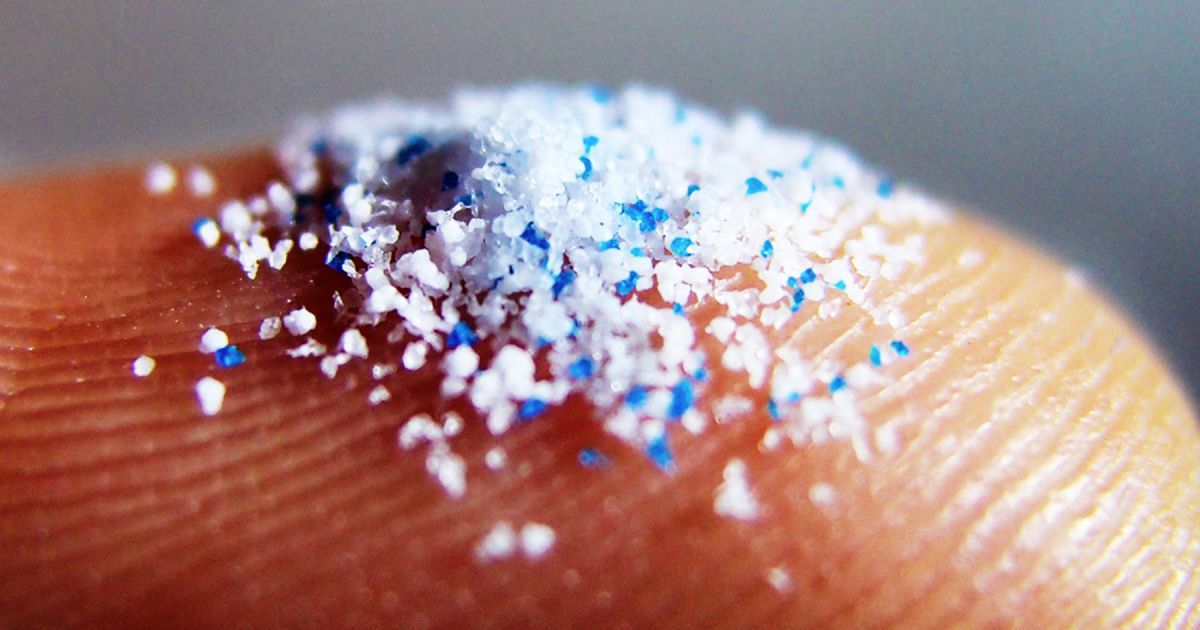
Scientists have discovered that microplastics in water do not just accumulate, but trigger chemical reactions that can damage living cells.
 🚌Transport
Photo: TSN
Key points
- Microplastics trigger chemical reactions in water
- Reactive oxygen species can damage cells
- Heating plastic increases the risk of particle release
- Polyethylene and polypropylene are the most chemically active
Researchers from Columbia University and the University of California, Berkeley, have found that microplastics are much more active pollutants than previously thought. Rather than remaining passive debris, plastic particles trigger the formation of reactive oxygen species upon contact with water.
The chemical activity of plastic
These reactive molecules, including hydroxyl radicals, are capable of interacting with proteins and DNA. Experiments showed that when exposed to polystyrene, mouse blood cells changed shape and ruptured. Polyethylene and polypropylene demonstrated the highest chemical activity, while PET proved to be less aggressive.
The degradation process of plastic is accelerated by heat, such as in microwave ovens or when storing bottles in direct sunlight. Additionally, microparticles are released through the washing of synthetic clothing and the general wear and tear of plastic products.
Source TSN — tsn.ua/zdorovya/mikroplastyk-vyiavyvsia-nebezpechnishym-niz-vvazaly-shc… ↗
Read next
 🛡️Security
Aftermath of the strike on Dymer: death toll rises, elderly woman rescued
A search and rescue operation is underway in the village of Dymer, Kyiv region, following a Russian attack. Rescuers pulled a 79-year-old woman from the rubble, but the d…
 🛡️Security
Electricity restored in Rivne region following enemy attack
Power engineers have fully restored electricity to the Sarny district after the Russian attack on November 20.
 🛡️Security
7-year-old boy rescued from rubble in Dymer after drone attack
Seven-year-old David spent 14 hours trapped under the ruins of an apartment building following a night drone strike. The child is currently under medical supervision.
 👥Society
Autumn Rose Care in Oleksandriia: Expert Tips on Pruning
Gardeners in Oleksandriia are preparing for winter: how to properly care for roses to ensure their health and abundant blooming next year.
 🛡️Security
Estonia supports Ukraine's right to self-defense following incident in the Gulf of Finland
Official Tallinn emphasized that the strike on a Russian vessel is a consequence of Russian aggression and reaffirmed Ukraine's right to defend itself.
 🛡️Security
Elderly woman rescued from rubble in Dymer: death toll rises
Rescue operations continue in the Kyiv region after a drone strike on a residential building. An 89-year-old woman was saved, while the total number of fatalities has rea…