History of the Holiday: Why New Year Falls on January 1 and How Traditions Evolved
A historical look at the calendar explains why the new year begins on January 1 and highlights unique global celebration customs.
 🏙️City
Photo: TSN
Key points
- History of New Year date
- Calendar reforms
- Global celebration customs
The transition from one calendar year to the next is universally associated with the night of January first. However, the historical path of this date was long and dependent on astronomical observations, religious beliefs, and state reforms across the planet. Modern society is accustomed to the Gregorian calendar, yet humanity spent millennia choosing entirely different periods to mark the beginning of a new annual cycle.
The Evolution of the Calendar from Ancient Rome to Papal Reform
The earliest known celebrations stemmed from natural cycles and agricultural needs. In Babylon, the year began in spring during the first new moon after the equinox, while ancient Egyptians aligned their calendar with the flooding of the Nile. Romans initially started their year in spring, but later Julius Caesar introduced the Julian calendar in 46 BC, establishing January 1 as the first day. The month's name originates from Janus, the two-faced Roman god of beginnings, transitions, and gateways.
Despite Caesar's reform, the European Middle Ages lacked a unified approach: some regions started the year on Christmas, while others chose March 25. The situation stabilized only after Pope Gregory XIII introduced the Gregorian calendar in 1582. This system more accurately reflected the solar year and gradually became the global standard for civil life, permanently anchoring January 1 as New Year's Day.
Global Traditions and Cultural Diversity
Today, every culture possesses unique customs for welcoming the holiday. Spaniards eat twelve grapes at midnight for good luck, Italians serve lentils for financial prosperity, and in Japan, temple bells ring 108 times. These customs emphasize humanity's shared desire to begin a new chapter with optimistic hopes and a clean slate.
For residents of Oleksandriia, the transition into the new calendar year serves as a traditional moment for reflection, planning, and family warmth. Although modern celebrations are largely secular, understanding the historical context helps residents appreciate their connection to the global community. Shared calendar milestones continue to provide citizens with psychological stability and a common focal point for hope during challenging times.
Source TSN — tsn.ua/tsikavinki/koly-sviatkuiut-novyy-rik-chomu-data-prypadaye-na-1-s… ↗
Read next
 🏛️Politics
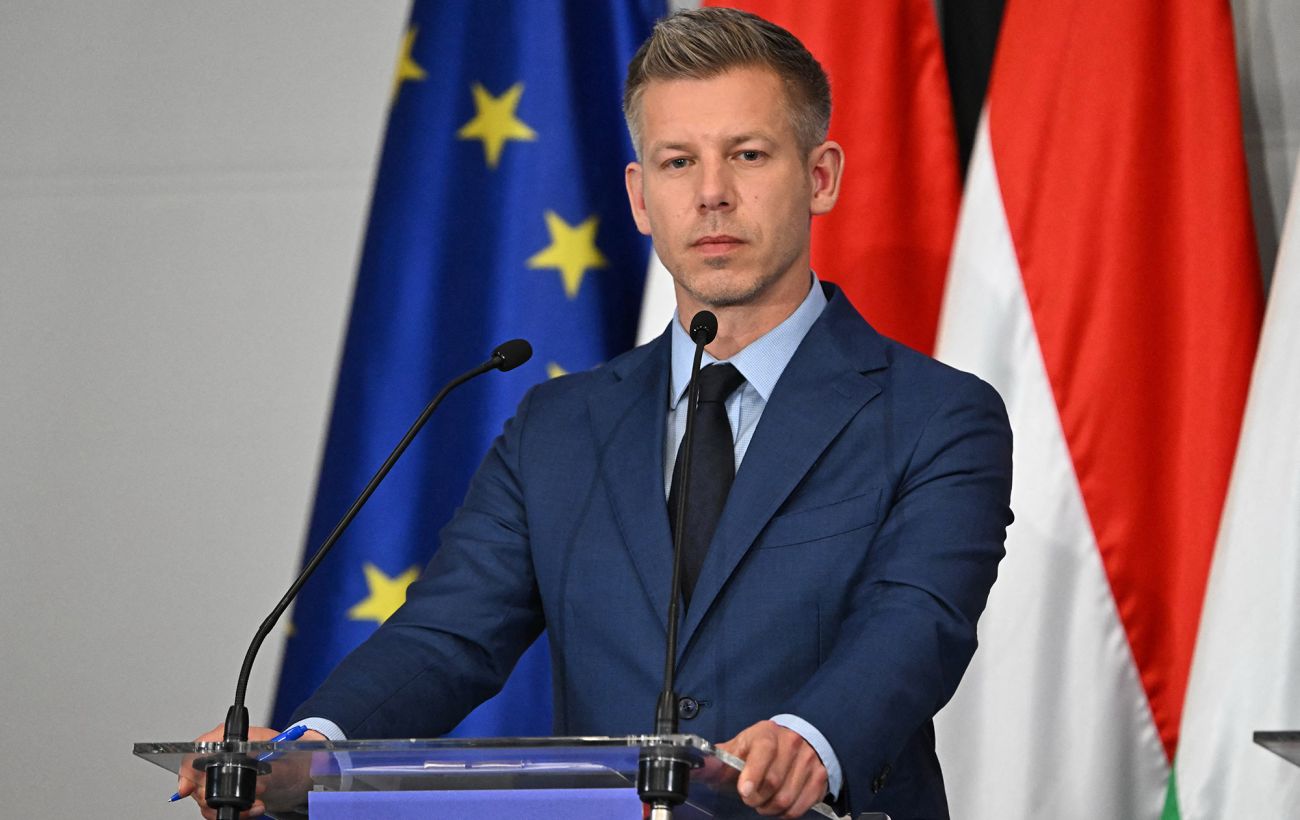
Hungarian Prime Minister Péter Magyar Calls Russia an Aggressor and Confirms Transcarpathia Visit
The Hungarian Prime Minister condemned Russian strikes on Transcarpathia, recognized Moscow as the aggressor, and announced an upcoming visit.
 🧠AI Analysis
International Media Exchange: Ukrainian Journalists Explore Finnish Resilience Models
Representatives from nine Ukrainian regional media outlets visited Finland to exchange expertise on crisis management and technological innovation in journalism.
 🇺🇦Ukraine
Dangerous Encounter: Recidivist Arrested in Kyiv After Post-Date Theft
A 41-year-old man in Kyiv robbed a new acquaintance after exploiting her trust during an evening together; he now faces up to eight years in prison.
 🚌Transport
Worsening Weather in Neighboring Region: Drivers Urged to Exercise Caution
Due to a sharp change in weather conditions in a neighboring region, law enforcement urges road users to be extremely careful.
 🧠AI Analysis
Alcaraz Dominates ATP Finals: Unbeaten Run and the Rise of New Tennis Talents
Carlos Alcaraz secured the ATP Finals title without a single loss, showcasing resilience despite a hip injury and cementing his status as a tennis icon.
 🩺Health
Scientists identify two age milestones when the human immune system ages most rapidly
A new scientific study reveals that the human immune system does not age gradually, experiencing sharp drops around age 40 and after 60.